In today’s business environment, maintaining robust internal controls and ensuring compliance are critical for organizational success. Implementing a well-structured internal audit framework allows companies to systematically evaluate their operations, identify risks, and improve processes. In this article, we will explore the key elements of an internal audit framework, provide insights into internal audit templates, and share practical tips on audit readiness documentation, internal audit policies, and checklists.
What is an Internal Audit Framework?
An internal audit framework is a structured approach that defines how an organization plans, executes, and monitors internal audits. It provides a roadmap for auditors to assess risk management, governance, and operational efficiency. A strong framework ensures audits are consistent, objective, and aligned with organizational goals.
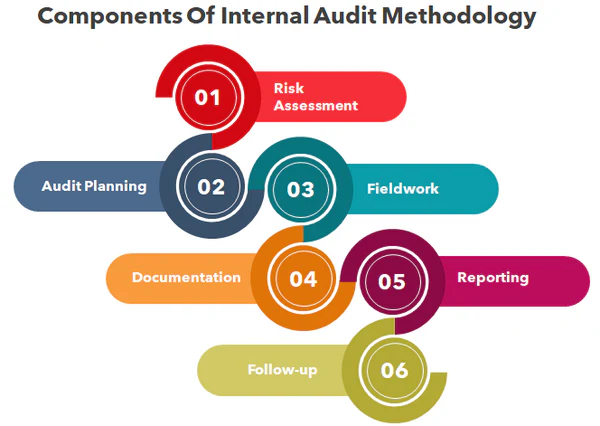
Key components of an internal audit framework include:
-
Audit Scope and Objectives: Defining areas to be audited and the purpose of the audit.
-
Risk Assessment: Identifying potential risks that may affect organizational operations.
-
Audit Planning: Developing detailed plans, schedules, and resource allocation.
-
Execution and Testing: Performing audit procedures, evaluating processes, and verifying controls.
-
Reporting: Documenting findings and providing actionable recommendations.
-
Follow-Up: Ensuring corrective actions are implemented effectively.
Internal Audit Templates: Streamlining the Process
Internal audit templates simplify documentation and standardize audits across departments. These templates serve as ready-to-use tools for auditors, helping them track observations, test controls, and generate consistent reports. Common templates include:
-
Audit plan templates
-
Risk assessment templates
-
Audit findings templates
-
Corrective action plan templates
Using templates reduces errors, saves time, and ensures a consistent audit approach.
Audit Readiness Documentation: Staying Prepared
Being prepared is half the battle. Audit readiness documentation ensures your organization can handle internal and external audits efficiently. This includes:
-
Policies and procedures manuals
-
Process flowcharts
-
Financial and operational records
-
Compliance evidence
Maintaining audit readiness documentation reduces the stress during audits and ensures transparency.
Internal Audit Policies: The Guiding Principles
A robust internal audit policy provides clear guidelines on audit responsibilities, authority, and scope. Key components include:
-
Roles and responsibilities of auditors and management
-
Audit frequency and scope
-
Reporting procedures
-
Conflict of interest management
-
Confidentiality and record retention
Having formal internal audit policies ensures consistency, compliance, and accountability across the organization.
Internal Audit Checklist: Ensuring Comprehensive Audits
An internal audit checklist is an essential tool to ensure no critical area is overlooked. A typical checklist may include:
-
Compliance with laws and regulations
-
Financial control review
-
Operational efficiency assessment
-
IT system security and data protection
-
Risk management procedures
-
Review of previous audit findings
Checklists promote thoroughness, reduce the risk of missing key issues, and enhance audit quality.
Benefits of a Strong Internal Audit Framework
Implementing a well-defined internal audit framework provides multiple benefits:
-
Enhanced risk management
-
Improved operational efficiency
-
Better compliance with regulations
-
Early detection of fraud or errors
-
Increased stakeholder confidence
By combining internal audit templates, audit readiness documentation, and checklists, organizations can ensure audits are effective, efficient, and value-adding.
Conclusion
An effective internal audit framework is more than a compliance exercise—it is a strategic tool that strengthens governance, mitigates risks, and drives operational excellence. Leveraging internal audit templates, maintaining audit readiness documentation, implementing strong internal audit policies, and using a comprehensive internal audit checklist are all key steps toward audit success.
Investing in a structured internal audit approach ensures organizations are always prepared, compliant, and positioned for sustainable growth.